Cookies are essential for the smooth and secure operation of our website. They help us to monitor performance and provide you with an optimized, personalized user experience.
The cookie settings can be adjusted at any time in the footer of the page.
Sustainability has become a daily focus in the way we act and make decisions. Whether it’s choosing our mode of transport, our electricity provider, or planning a vacation, we are all encouraged to factor sustainability into the choices we make.
Sustainability and environmental protection have become an everyday focus. Whether it’s buying a car, choosing an electricity provider, or planning a vacation, we are all encouraged to factor sustainability into our decisions. One area where each of us can truly make a difference is grocery shopping. The way we shop – and what we buy – can reduce our environmental impact while helping to create a more sustainable future. And of course, this also applies when we’re on the road. In this blog article, we take a closer look at sustainable shopping in the supermarket and share practical tips on how you can make your grocery runs more eco-friendly – even while traveling.
Tips for Sustainable Grocery Shopping
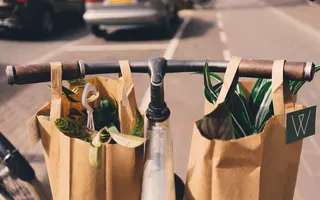
It’s that time again. The fridge is empty and your stomach is growling — so off to the supermarket you go. Whether at home or on the road, the question is the same: how can you make your grocery shopping as sustainable as possible? Sustainable shopping actually starts at home — or before leaving the camper — with the choice of your shopping bag. Before you even begin, think about how you’re going to transport your groceries. Depending on the size of your shop, it’s best to bring a reusable bag, whether it’s a tote bag, a shopping basket, or a backpack. This way, you avoid unnecessary waste in the form of plastic or paper bags, which you would otherwise have to purchase as well.
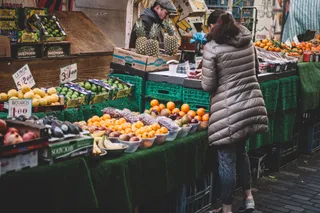
Once you’re inside the supermarket, you’ll usually find the fruit and vegetable section right at the entrance. Here, too, it’s easy — yet very effective — to make more sustainable choices simply by selecting the right products. By buying seasonal produce, you help reduce the need for long transport routes and extended storage, which saves energy and resources. Seasonal foods are often fresher and more flavorful as well, since they don’t have to be stored for long periods of time. Of course, which fruits and vegetables are in season can vary from region to region — especially on a road trip. To check which products are currently in season in the country you’re traveling through, we recommend using the interactive map from the European Food Information Council (EUFIC). There, you can simply select your country and the respective season to see which produce is currently being harvested. A small tip: let seasonal vegetables inspire you and your recipes. You’ll often discover new dishes you might never have tried otherwise. And that’s what camping is all about — making new experiences.
For our next tip, all you have to do is take a closer look at the packaging. Even fruits and vegetables are often wrapped in unnecessary amounts of plastic. Try to avoid plastic packaging whenever possible. Especially steer clear of products that are wrapped multiple times in plastic — layer after layer, like an onion.
Aside from seasonality, it’s also worth paying attention to which products are grown locally. Many supermarkets offer these items on dedicated shelves. By choosing locally produced foods, you support the regional economy while also reducing the CO₂ emissions caused by transporting goods over long distances. Whether it’s honey, cheese, wine, or jam, this is another great opportunity to discover something new. Let yourself explore — and try something different.
EU LABELS – What You Should Look Out For
We all know them: labels in every shape and color — so many that it’s easy to lose track. That’s why we want to give you a quick overview of what the most important labels stand for and which ones are worth adding to your shopping basket.
EU Bio-Logo
Deutsches BIO Siegel
FAIRTRADE
MSC-Siegel
Protected Designation of Origin
Since July 2010, this logo has been mandatory for all packaged organic foods produced within the EU. It guarantees compliance with the European organic regulation. This regulation ensures GMO-free production, higher animal welfare standards, and the avoidance of synthetic pesticides and chemically synthesized fertilizers.
Food Waste – and How to Avoid It
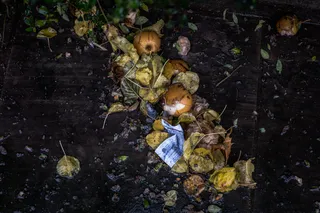
Let’s move on to a topic that hurts not only your wallet, but above all the environment: food waste. Around 11 million tons of food are thrown away in Germany alone every year. That equals roughly 17% of all food produced for consumption. It goes without saying that this is a serious problem.
This high number is partly due to supermarkets that must strictly comply with best-before regulations — but private households also play a significant role. Especially when traveling by camper, good planning is an essential part of your food routine. Limited storage space and cooling capacity are factors you definitely need to consider when shopping. That’s why we’ve put together a few tips for you.
Shop consciously for products with a short best-before date: If you already know that the items will end up in the pot the same day, it’s worth specifically looking for products with a short best-before date. They are usually still perfectly fine for longer — and often even discounted!
Best-before date: As mentioned, the best-before date usually does not indicate the point at which a product becomes inedible. Before throwing food away, it’s worth relying on your own senses — take a look, give it a smell, and taste it if necessary.
Use up leftovers: Cooking often leaves you with extra ingredients or meals. Keep that in mind during your next grocery run and plan your recipes around the foods that need to be used up soon.
Alternatives to the Supermarket
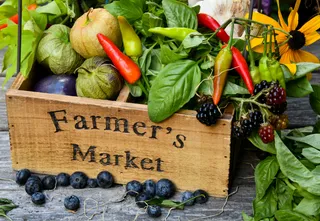
Sure, supermarkets usually offer everything you need for a varied diet — but somehow, it often ends up being the same selection everywhere. If you’re looking to add a bit more variety to your shopping while also doing something good for the environment and supporting local farmers, your next camping trip is the perfect opportunity to look out for farm shops, small organic stores, or weekly markets. Not only will you find incredibly delicious products, but you’ll also be supporting farmers directly and helping them earn a fairer share from their own goods. Along your route from one place to the next, you’ll often come across milk or egg vending machines — which are becoming increasingly popular — so keep an eye out for signs. You can also use the interactive map on schmeckthier.de to discover regional products near you.
And by the way — have you heard of Crowdfarming? If you want to do something good for both the environment and the people behind the production, we highly recommend this brilliant concept from Spain. It’s essentially a sponsorship model for fruit and vegetable fields or trees: you contribute a fee and, in return, receive a share of the harvest. This way, you build a special connection to the food that later ends up on your plate — and you can be sure it’s fresh, organic, and often much more flavorful than supermarket produce. Whether it’s an avocado tree, a wheat field, or grapevines, Crowdfarming gives you plenty of options. It’s best to team up with friends or family, as most boxes start at several kilograms.
Your road trip starts here!
Whether it’s a weekend trip in a campervan or a big journey in a motorhome – with us, your adventure starts exactly the way you want it.
Find your camper & hit the road 🚐
We hope we were able to give you a few helpful tips on how to make your next grocery run more sustainable — whether at home or on the road. By making more conscious purchasing decisions and choosing regional, seasonal, and organic products, you can make a meaningful contribution to environmental protection while supporting the local economy. A difference that not only benefits the planet — but that you can truly taste, too.